This educational blog post is designed for older adults (ages 65+) who activly use platforms like Facebook and X to follow news, engage in community discussions, and connect with peers. While older adults are among the most active internet users, they did not grow up in algorithmic information environments and are targeted by coordinated propaganda campaigns. I choose an easy step by step blog post with a tutorial, because of its ease of use and ability to be shared with peers.
Have you ever been scrolling (or doomscrolling) through your Facebook feed or reading comments on a news article, and suddenly felt completely overwhelmed by the sheer volume of anger? You might see hundreds of users furiously agreeing with a deeply controversial political post, leaving you wondering, “Does everyone actually believe this?”
The short answer is: No. Many of those “people” aren’t people at all.
They are bots automated social media accounts run by computer code, rather than a real human being. Bad actors, scammers, and even foreign governments create massive networks of these accounts to amplify polarizing narratives, push fringe ideas into trending topics, and create the illusion that a massive grassroots crowd agrees with them. It is a tactic known as “computational propaganda,” and it relies on tricking you into thinking a computer script is a fellow citizen.
The good news? Bots are actually quite easy to spot once you know what to look for. You don’t need a degree in computer science to catch them. You just need to know the three major red flags. Let’s dive into the Bot Spotter’s Bootcamp.
Red Flag #1: The Anonymity Problem (Stolen Faces and Strange Names)
Because bot creators have to generate thousands of fake accounts at a time, they usually take lazy shortcuts when setting up profiles.
What to look for:
Alphanumeric Soup: Look closely at the account’s handle (the username starting with an @ symbol). If the name is a generic first name followed by a massive, random string of numbers like @PatriotJohn84729103 or @SusanSmith998822 there is a high probability it was automatically generated by a computer program.
Stolen Profile Pictures: Bots rarely have authentic profile pictures. They often use generic landscapes (like an American flag or a sunset), cartoon characters, or stock photos of models. Sometimes, they even steal photos of real people from other websites.
Actionable Tip: If an account is aggressively arguing with you but has a picture of a generic flower and eight numbers in their username, do not engage. You are likely arguing with a calculator, and doing exactly what the bad actor is wanting you to do.
Red Flag #2: Inhuman Hyper-Activity (Algorithms Don’t Sleep)
The most obvious indicator that an account is automated is its activity level. Real people have jobs, run errands, and sleep. Bots do not.
What to look for:
The Posting Cadence: The Atlantic Council’s Digital Forensic Research Lab considers an average of 72 posts a day to be highly suspicious, and anything over 144 posts a day to be practically impossible for a human. If you click on a suspicious profile and see that they are posting political memes, sharing news articles, and leaving comments every three minutes for twelve hours straight without a break, that is an automated script at work.
The Instant Reply: If you leave a comment on a news page and immediately receive a highly combative reply less than a second later, a bot was programmed to scan for the keywords you used and automatically attack.
Red Flag #3: Amplification Over Conversation
The primary goal of a political bot is not to have a thoughtful debate; its goal is to act as a digital megaphone, and spread its ideals it was programmed to.
What to look for:
The “Retweet” Ratio: A genuine human uses social media to post original thoughts, share photos of their dog, or chat with friends. A bot profile will consist almost entirely of shared posts from other accounts. If you scroll through a profile and see absolutely zero original content just an endless, rapid fire wall of shared political slogans and links to sensational websites you have found a megaphone, not a person.
Identical Phrasing: If you click on a trending hashtag and see twenty different accounts posting the exact same sentence, word for word, down to the punctuation, you are looking at a coordinated bot network operating off the same script.
The “SIFT” Defense: What To Do When You Spot a Bot
When you encounter an account waving these red flags, your instinct might be to reply and correct them. Don’t.
Replying to a bot actually helps it. Social media algorithms reward engagement meaning every time you comment on a bot’s post (even to call it fake), the platform thinks the post is popular and pushes it to more people’s screens. Instead, use the SIFT method:
S – Stop: Recognize that the post is designed to make you angry or fearful.
I – Investigate the Source: Click the profile. Check for the numbers in the name, the stolen photo, and the hyper-activity.
F – Find Better Coverage: If the bot is sharing a terrifying news headline, leave the platform entirely. Open a new tab and search Google News to see if legitimate, trusted reporters are covering the story.
T – Trace the Claims: If it’s a fake account, simply block and report it to the platform.
Practice Challenge: Spot the Bot!
Take a look at the two profiles below. Based on our Bootcamp, which one is the bot?
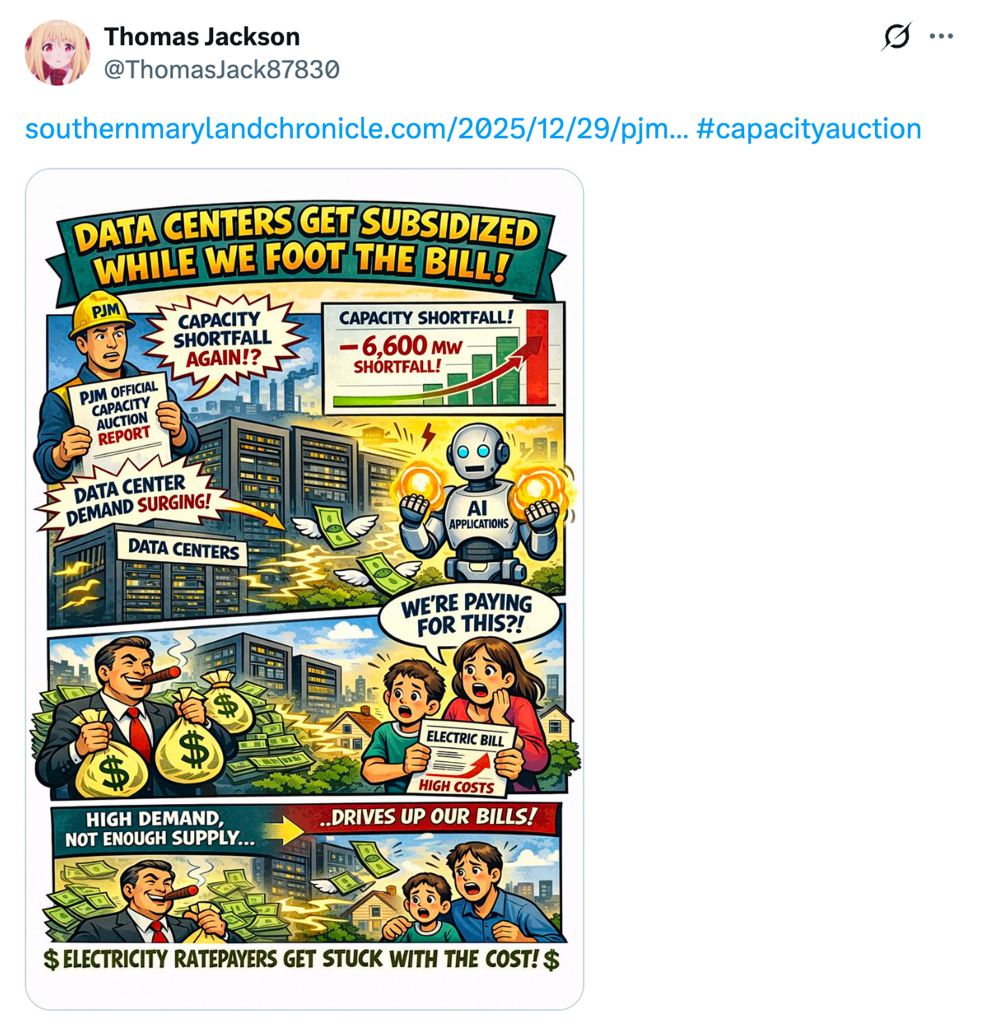
A
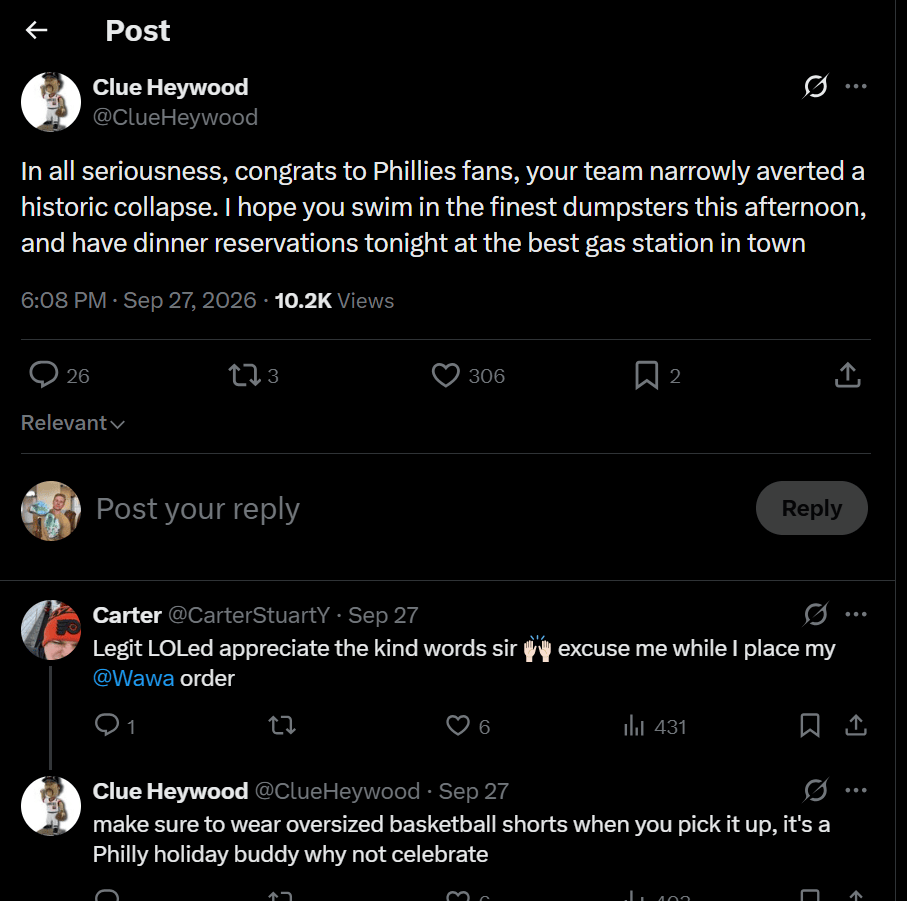
B
If you guessed Profile B, congratulations! You are now officially a Bot Spotter. The digital world can feel overwhelming, but by learning to spot the seams in automated propaganda, you can protect your peace of mind and help stop the spread of misinformation in its tracks. Remember this information next time you scroll on facebook and or go to have an argument with someone on X.
Atlantic Council Digital Forensic Research Lab (DFRLab). (2017). #BotSpot: Twelve Ways to Spot a Bot. Medium. https://medium.com/dfrlab/botspot-twelve-ways-to-spot-a-bot-aedc7d9c110c
Caulfield, M. (2019). Check Yourself with Lateral Reading: Crash Course Navigating Digital Information #3. YouTube. https://www.youtube.com/watch?v=GoQG6Tin-1E
Global Investigative Journalism Network. (2018). How to Identify Bots, Trolls, and Botnets. https://gijn.org/stories/how-to-identify-bots-trolls-and-botnets/
NPR. (2024). Justice Department disrupts a Russian AI bot farm spreading disinformation. https://www.npr.org/2024/07/09/g-s1-9010/russia-bot-farm-ai-disinformation
Starbird, K. (2021). Disinformation as Collaborative Work: Surfacing the Participatory Nature of Strategic Information Operations. University of Washington Center for an Informed Public. https://www.cip.uw.edu/2021/05/26/participatory-disinformation-kate-starbird/


Leave a Reply